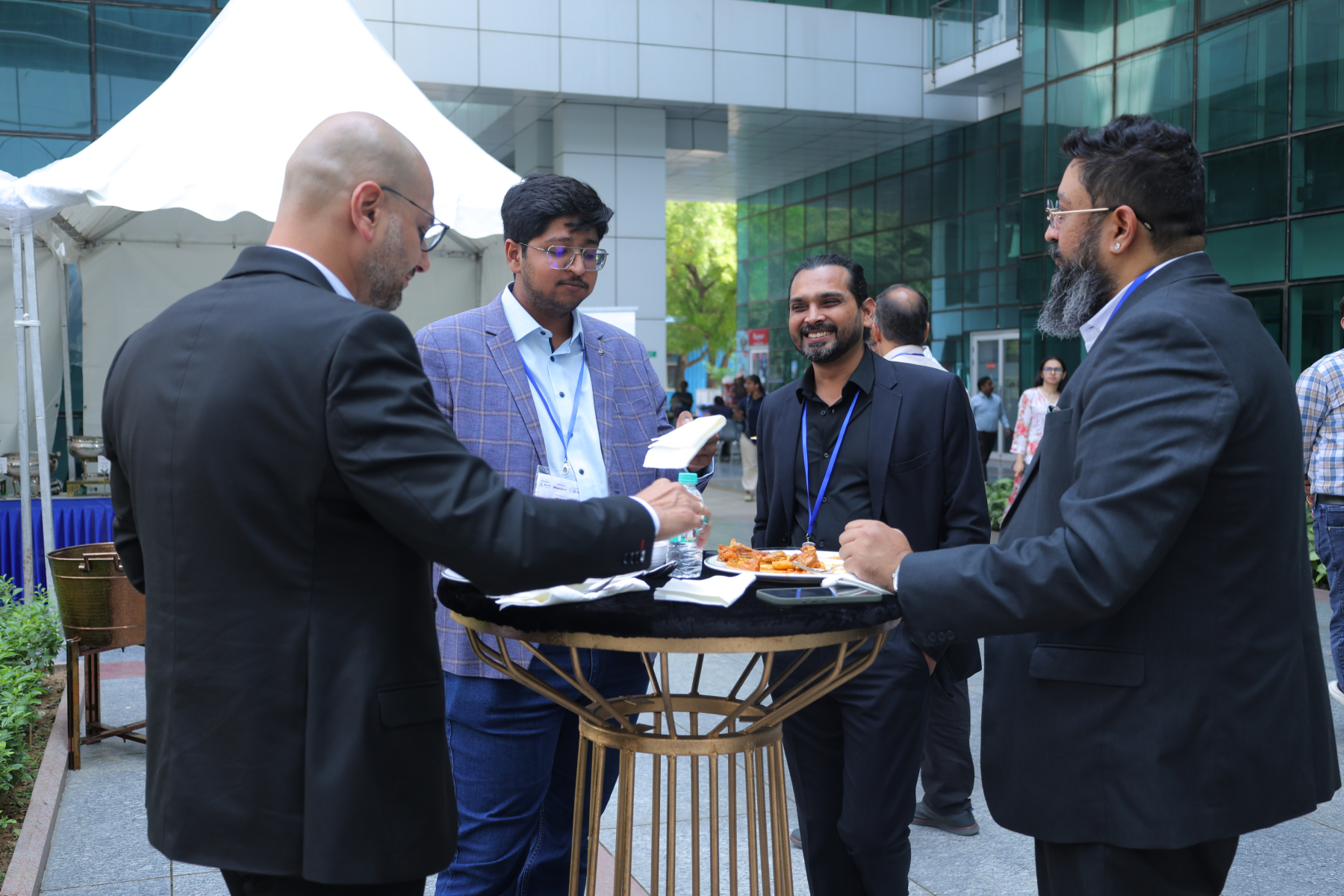
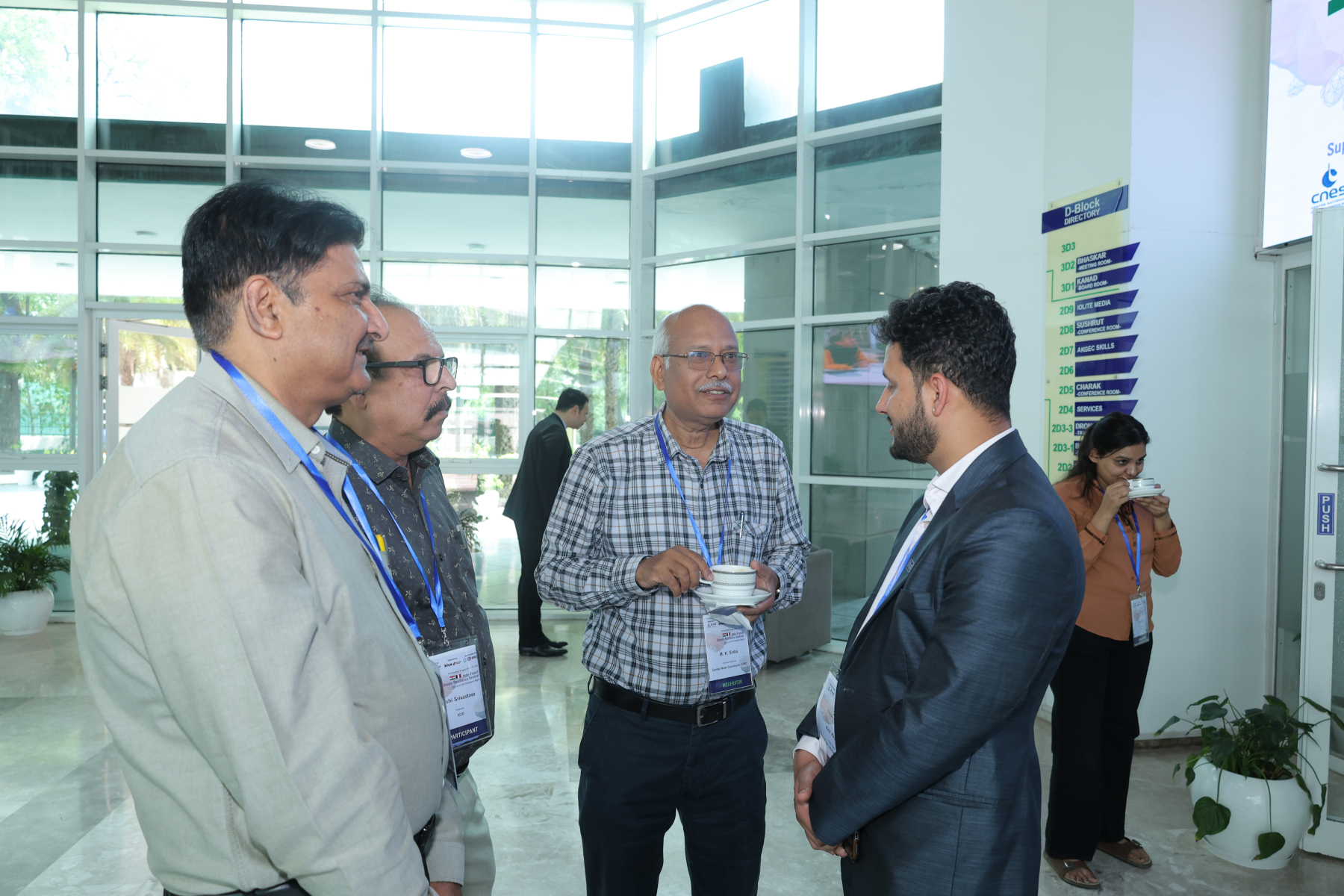
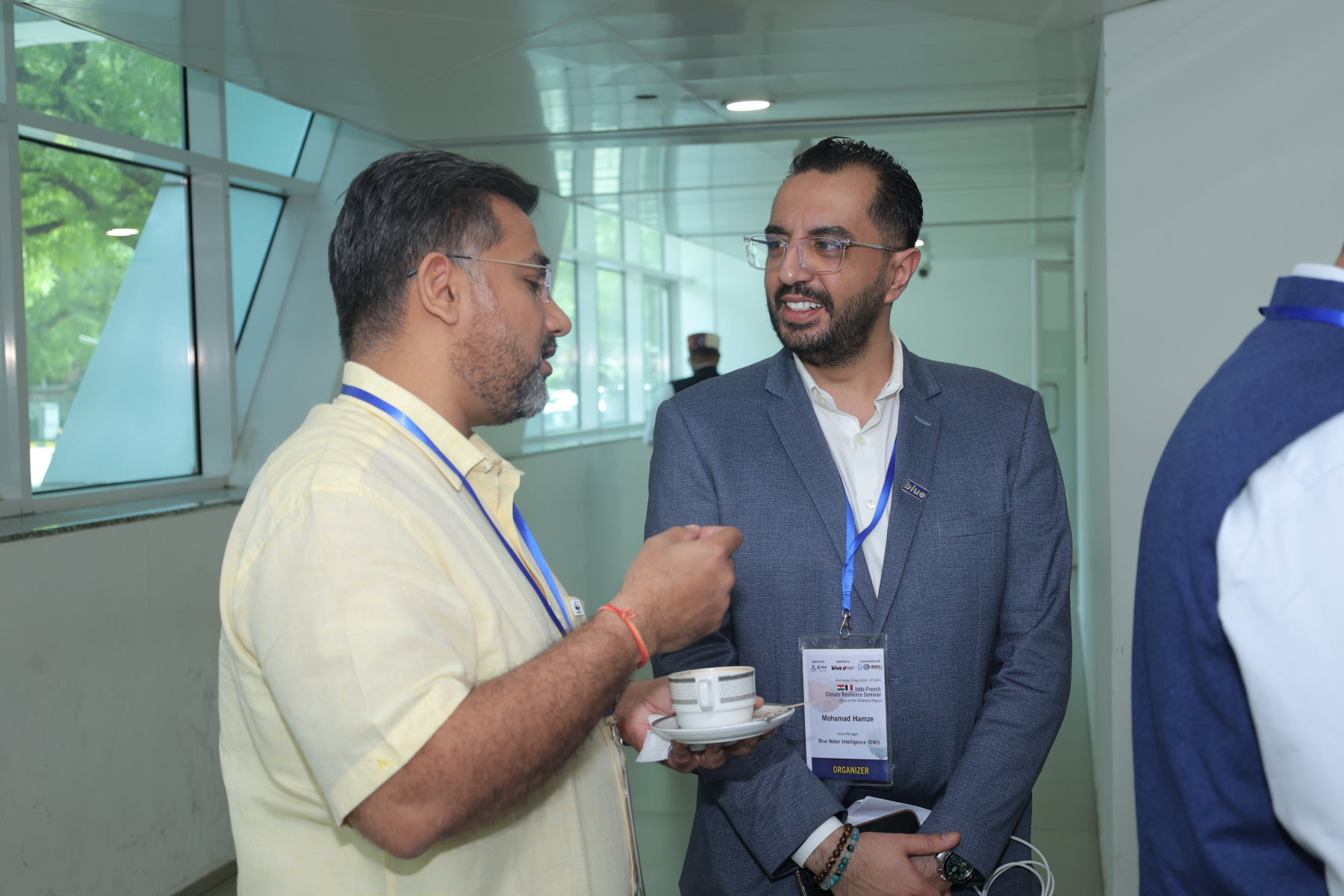
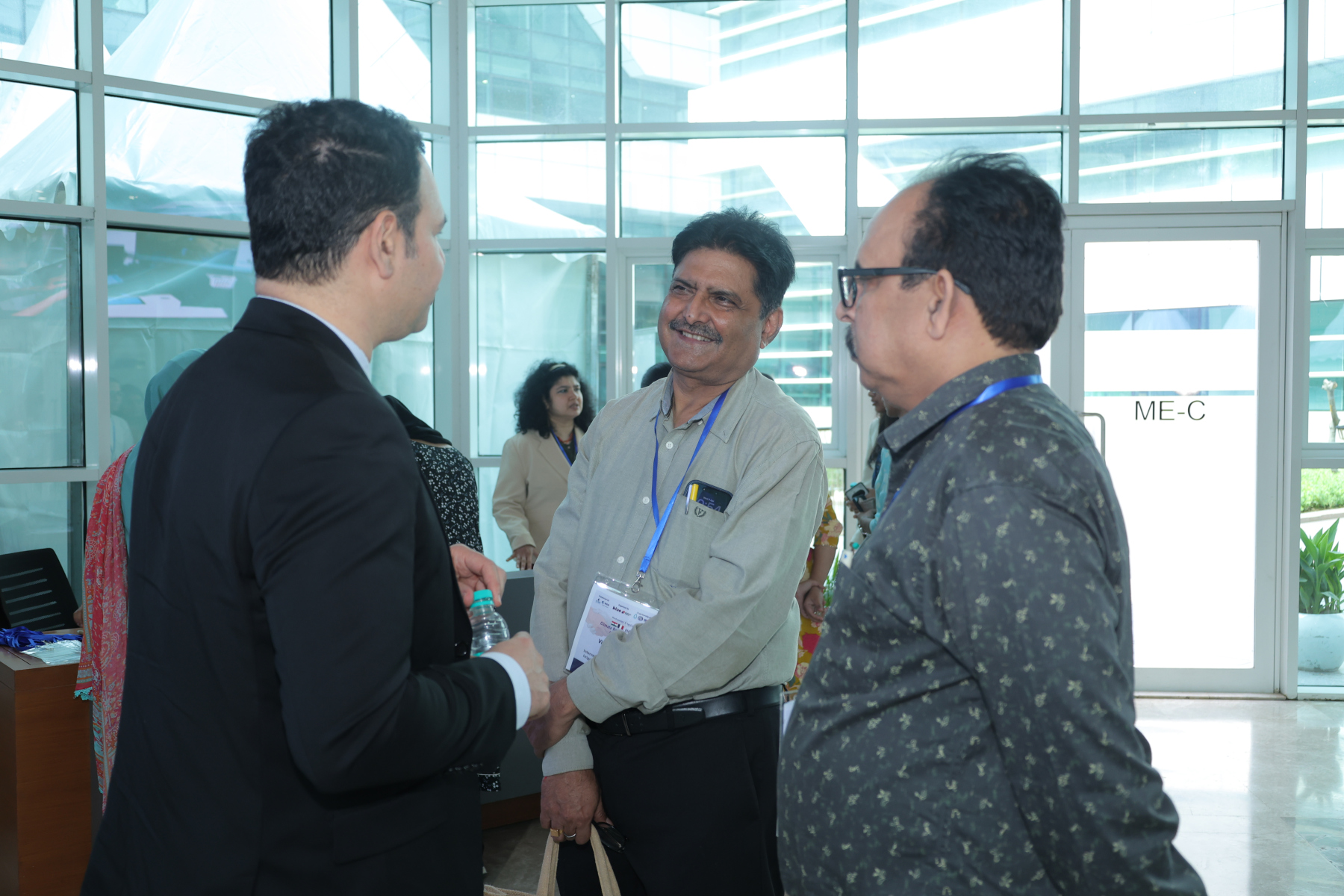
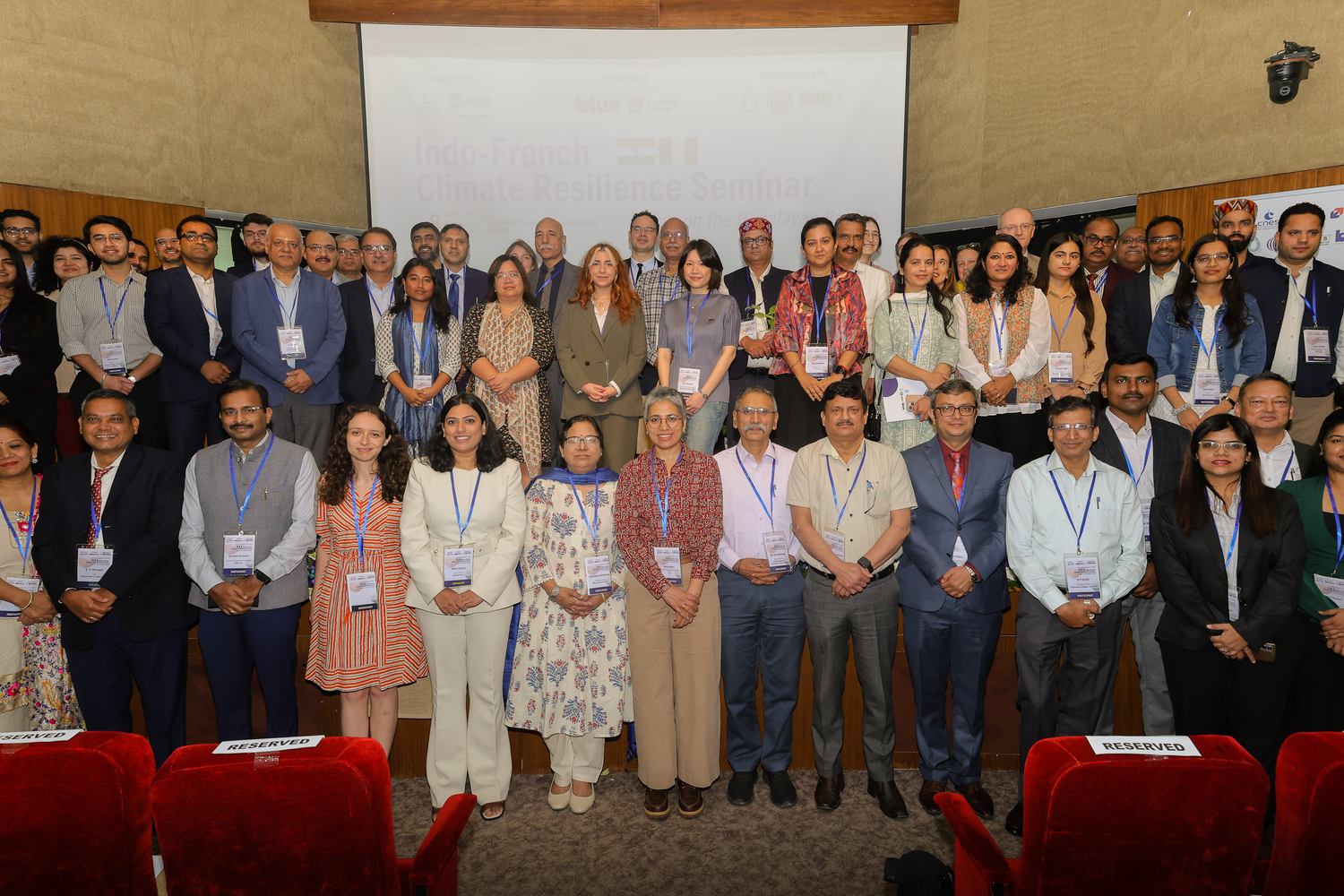
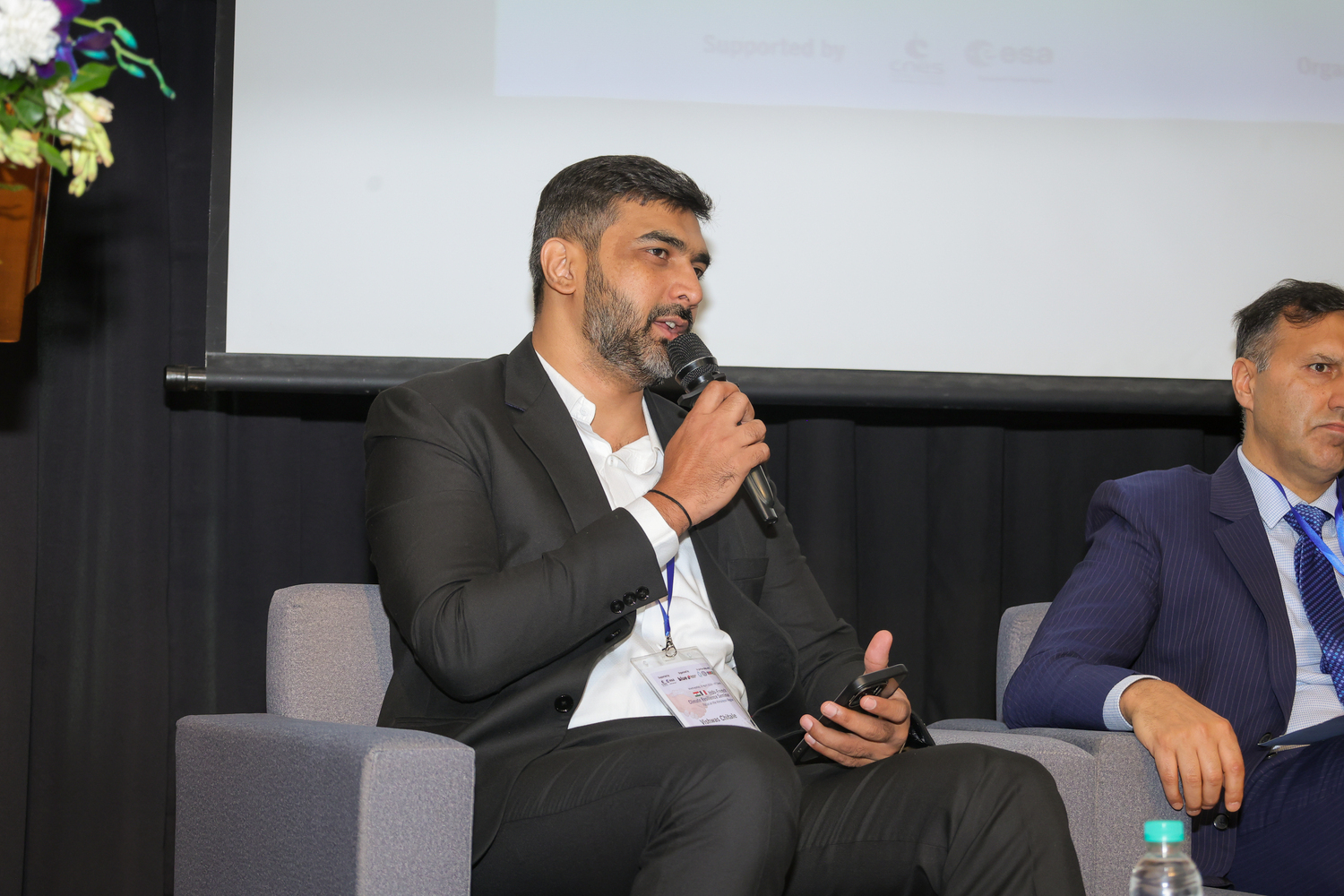
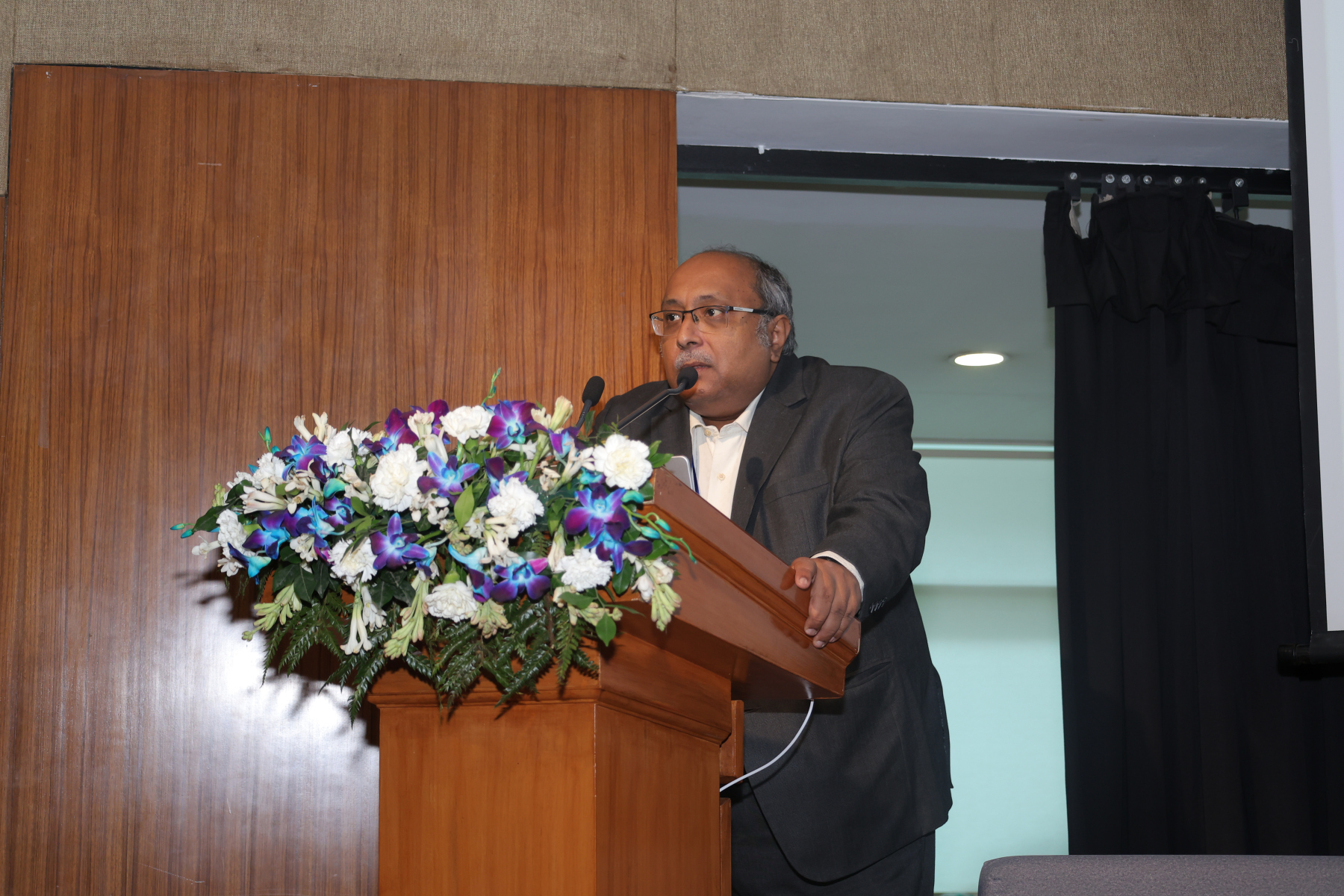
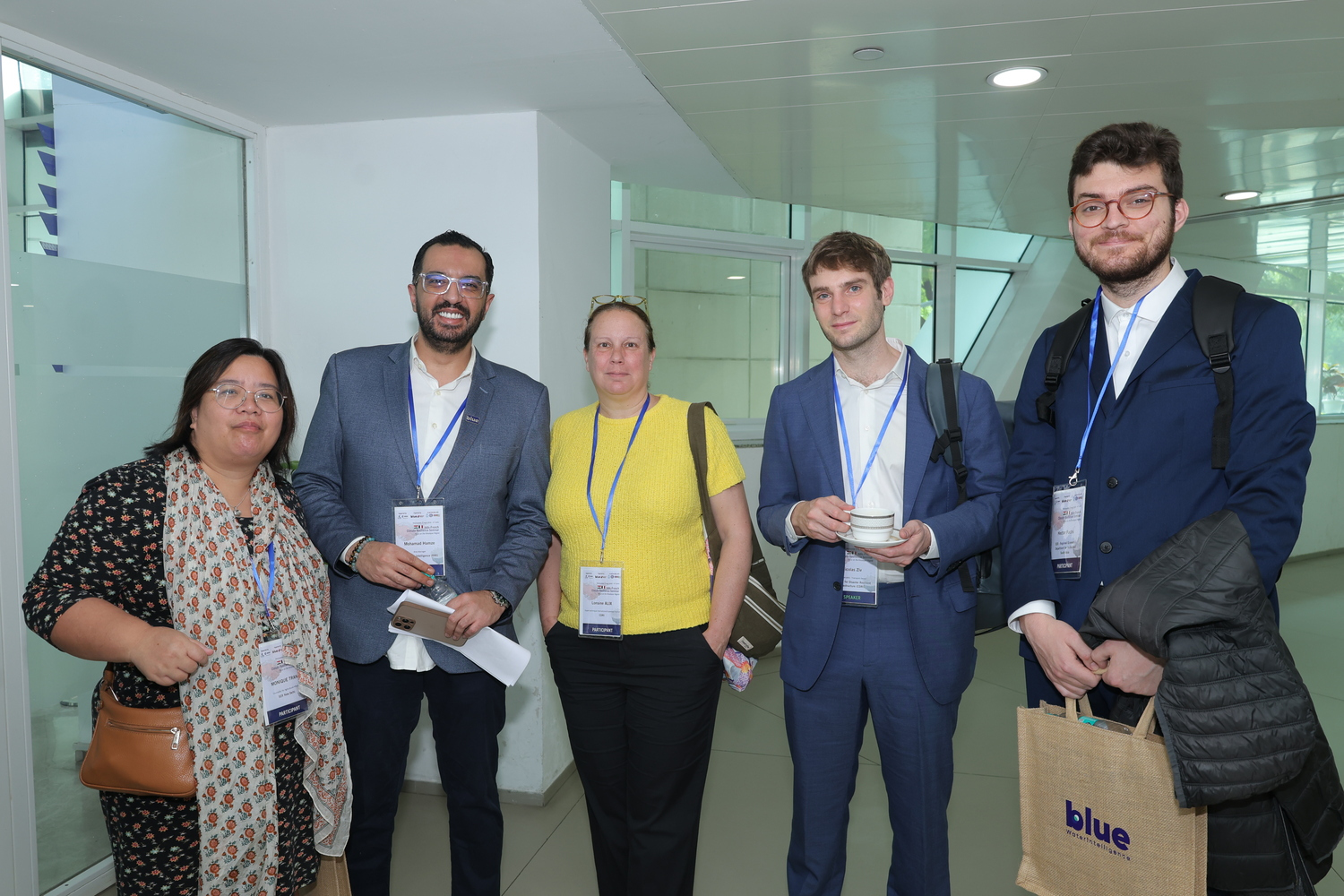
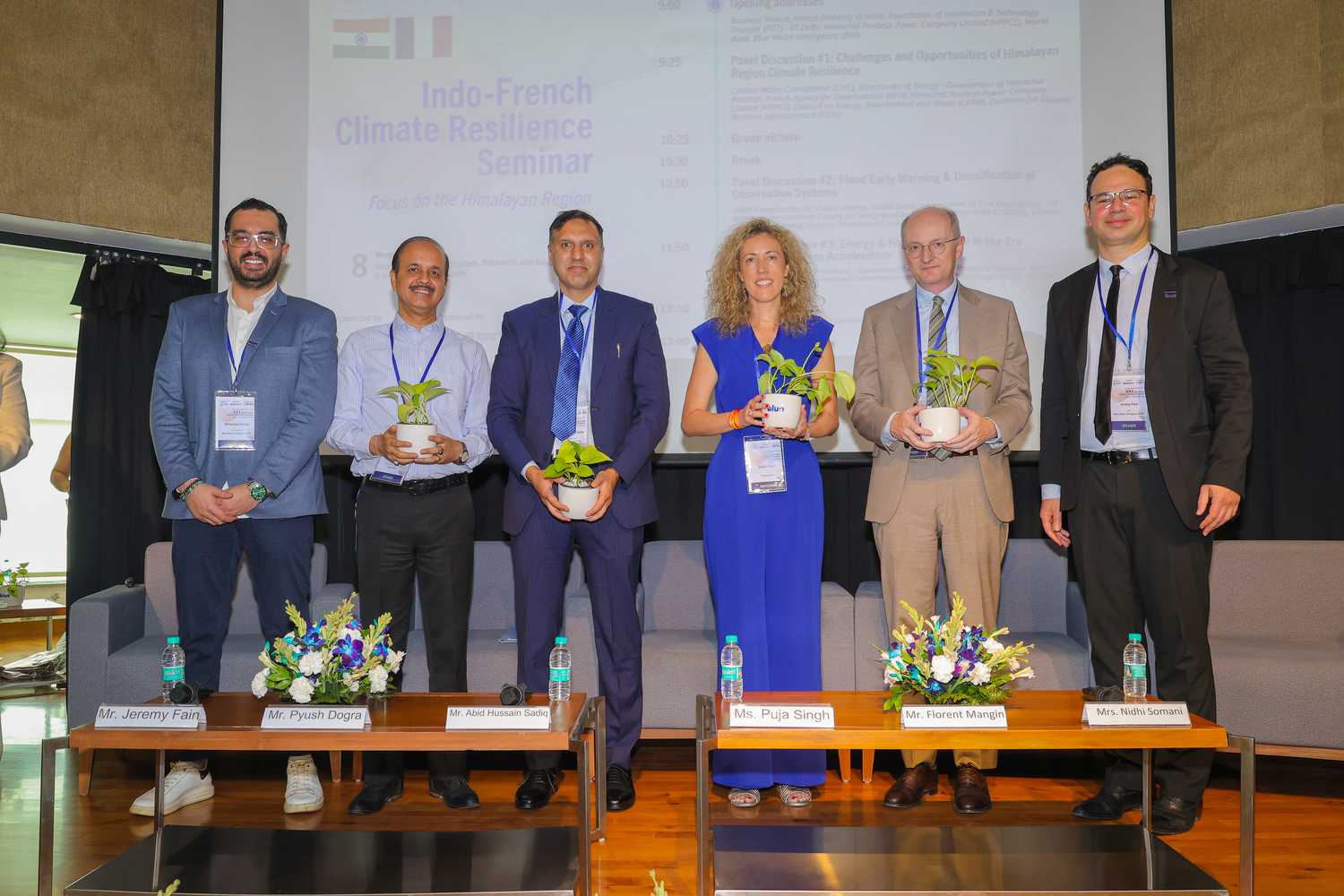
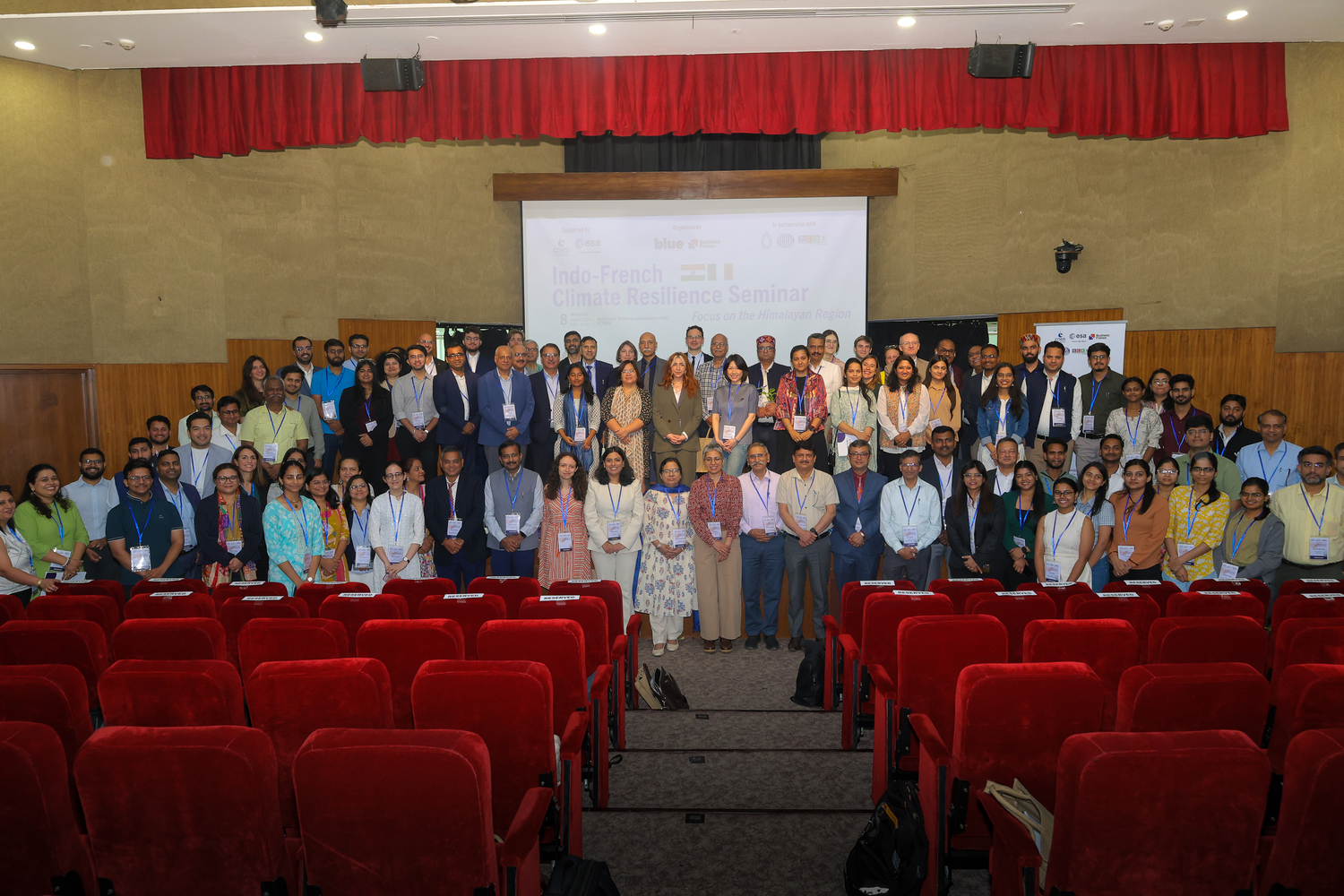
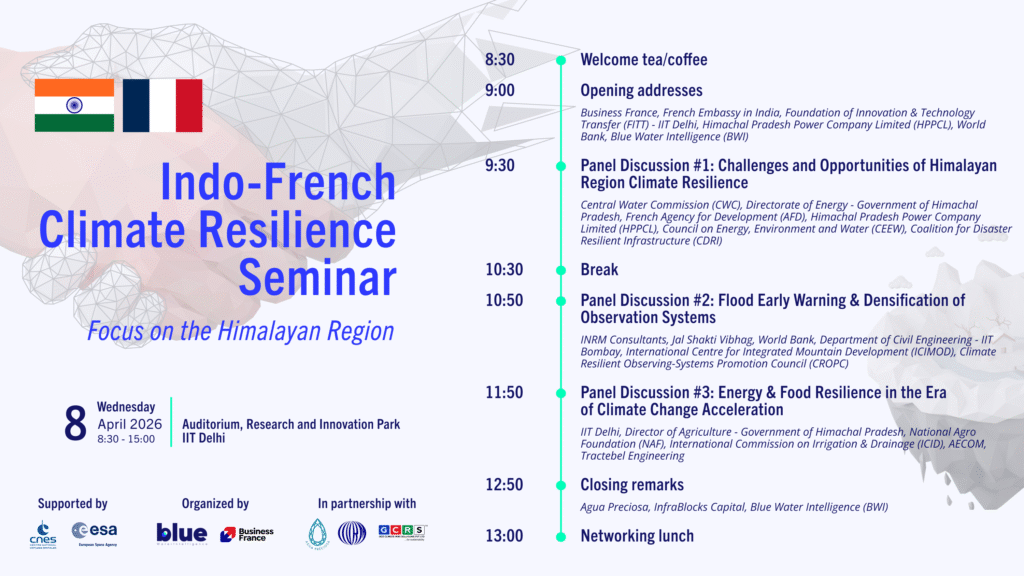
On April 8, 2026, the Indo-French Climate Resilience Seminar at IIT Delhi brought together public institutions, researchers and industry leaders to address the growing climate challenges in the Himalayan region. Through three panel discussions, the event highlighted the urgent need to strengthen hydrological forecasting, early warning systems and integrated water–energy–food resilience approaches.
On 8 April 2026, the Indo-French Climate Resilience Seminar – Focus on the Himalayan Region was held at the Research & Innovation Park of IIT Delhi, bringing together stakeholders from government institutions, academia, international organisations and industry. Organised by Blue Water Intelligence (BWI), Business France, INRM Consultants, Agua Preciosa and GCRS, with the support of ESA and CNES under Data4Water, a project funded by ESA’s Business Applications and Space Solutions (BASS) programme, the seminar provided a timely forum for dialogue on one of the most urgent climate resilience challenges of our time: the Himalayan region.
Often referred to as the “Third Pole,” the Himalayas are a critical source of freshwater and a strategic pillar for energy, agriculture and livelihoods across the region. Yet they are increasingly exposed to glacier retreat, changing snowmelt patterns and more frequent extreme events such as floods, cloudbursts and landslides. These changes are increasing uncertainty in hydrological systems and highlighting the need for more adaptive approaches to monitoring, forecasting and decision-making.
For a comprehensive overview of the seminar – including the full program, speaker list and partner profiles – you can download the event booklet below.
Download the event booklet here.
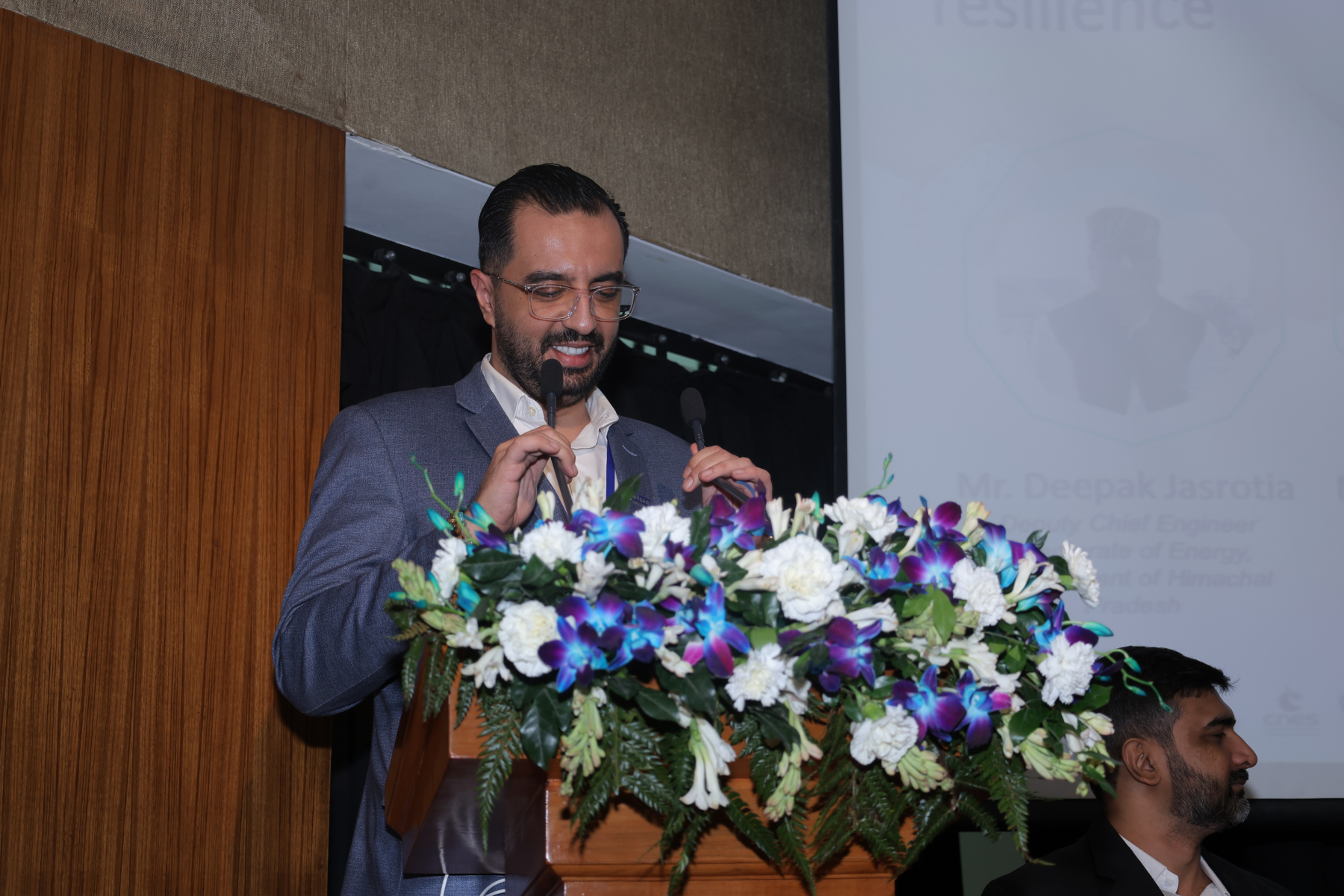
The seminar opened with a series of remarks framing both the urgency and the opportunity of the Himalayan context.
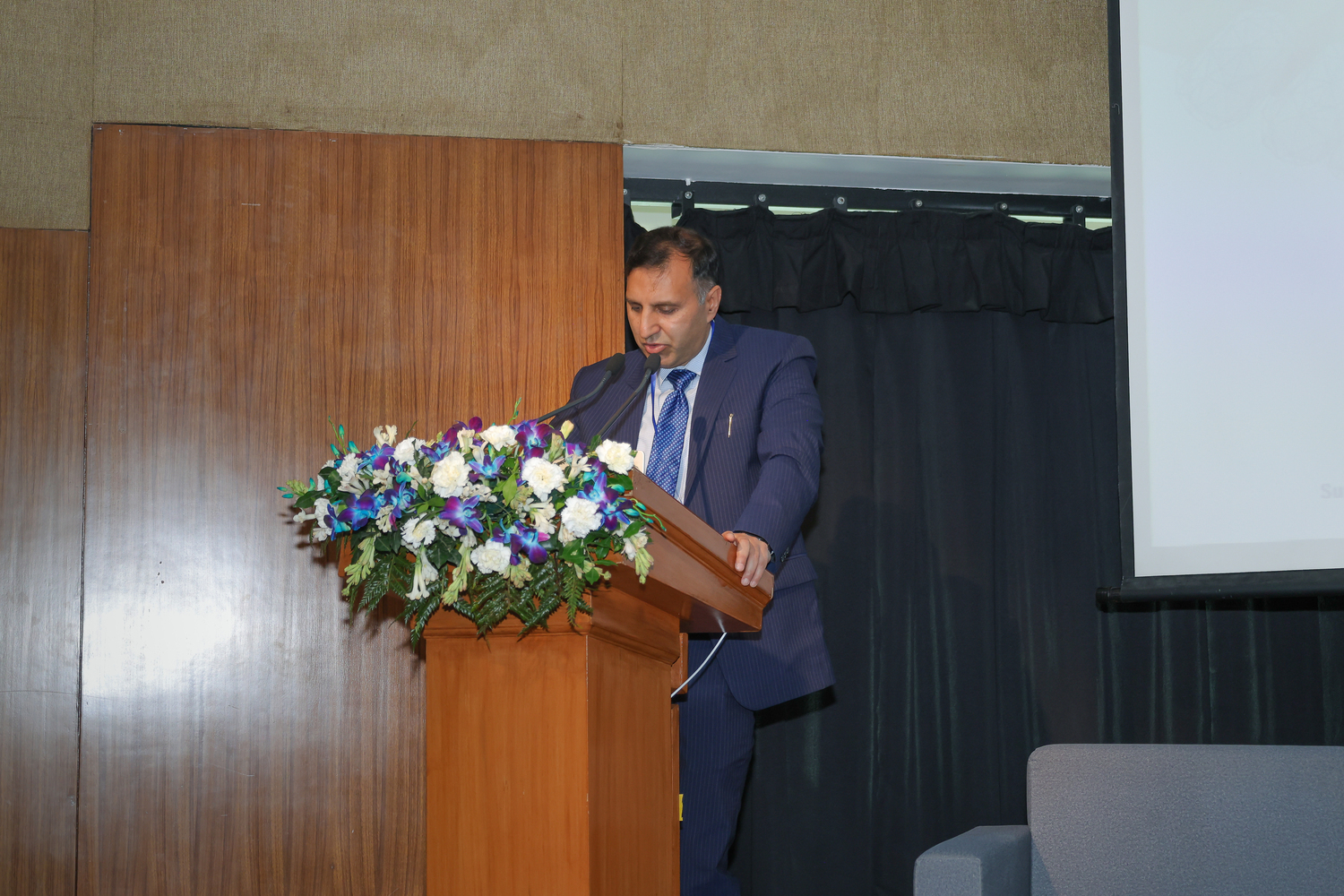
The opening session featured Florent Mangin, French Embassy in India; Abid Hussain Sadiq, Himachal Pradesh Power Corporation Limited; Pyush Dogra, World Bank; and Jeremy Fain, BWI. The discussion framed the Himalayan region as both highly vulnerable and strategically important, emphasising the need for innovation, stronger data systems and closer cooperation between science, policy and operations to support climate resilience and infrastructure adaptation.
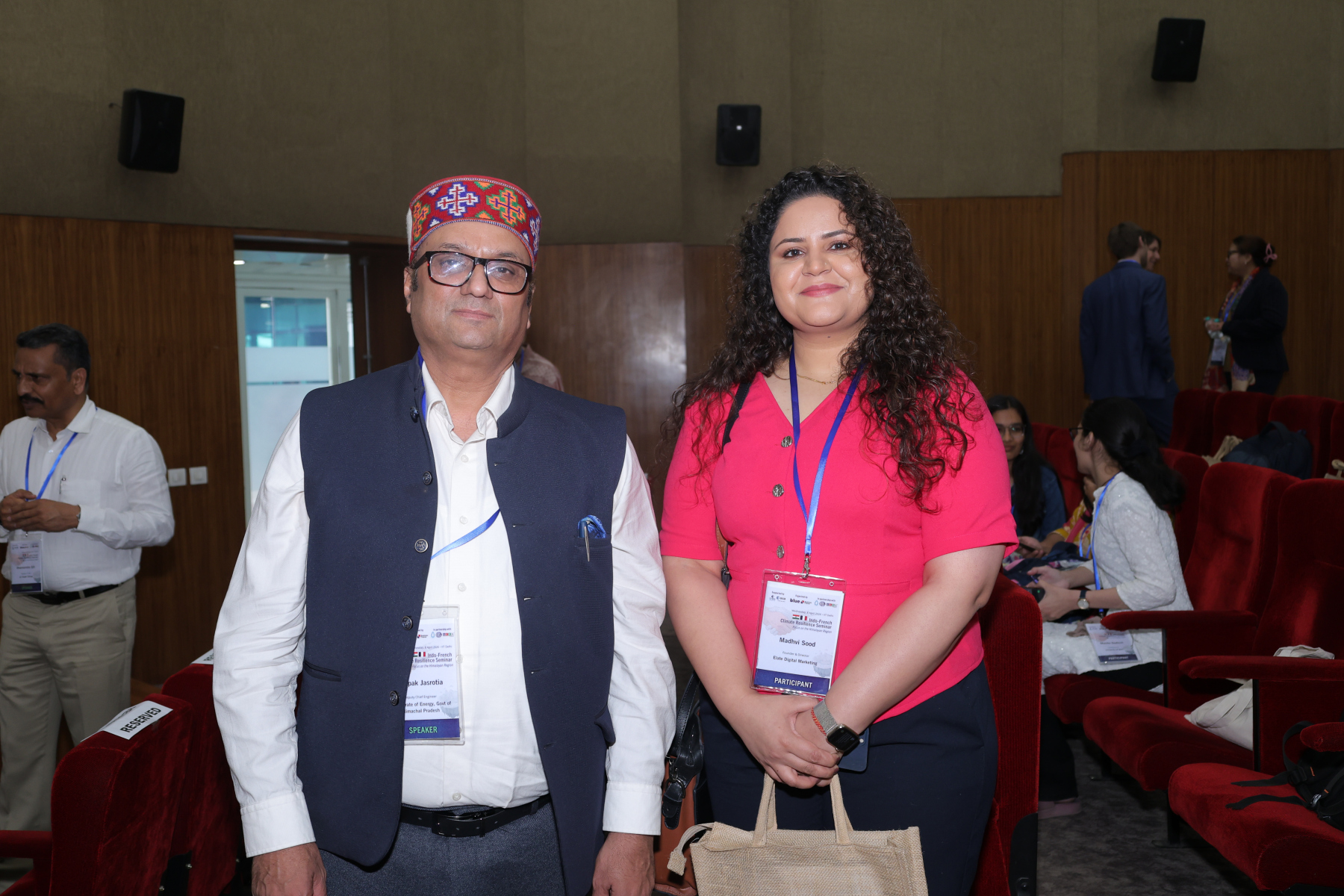
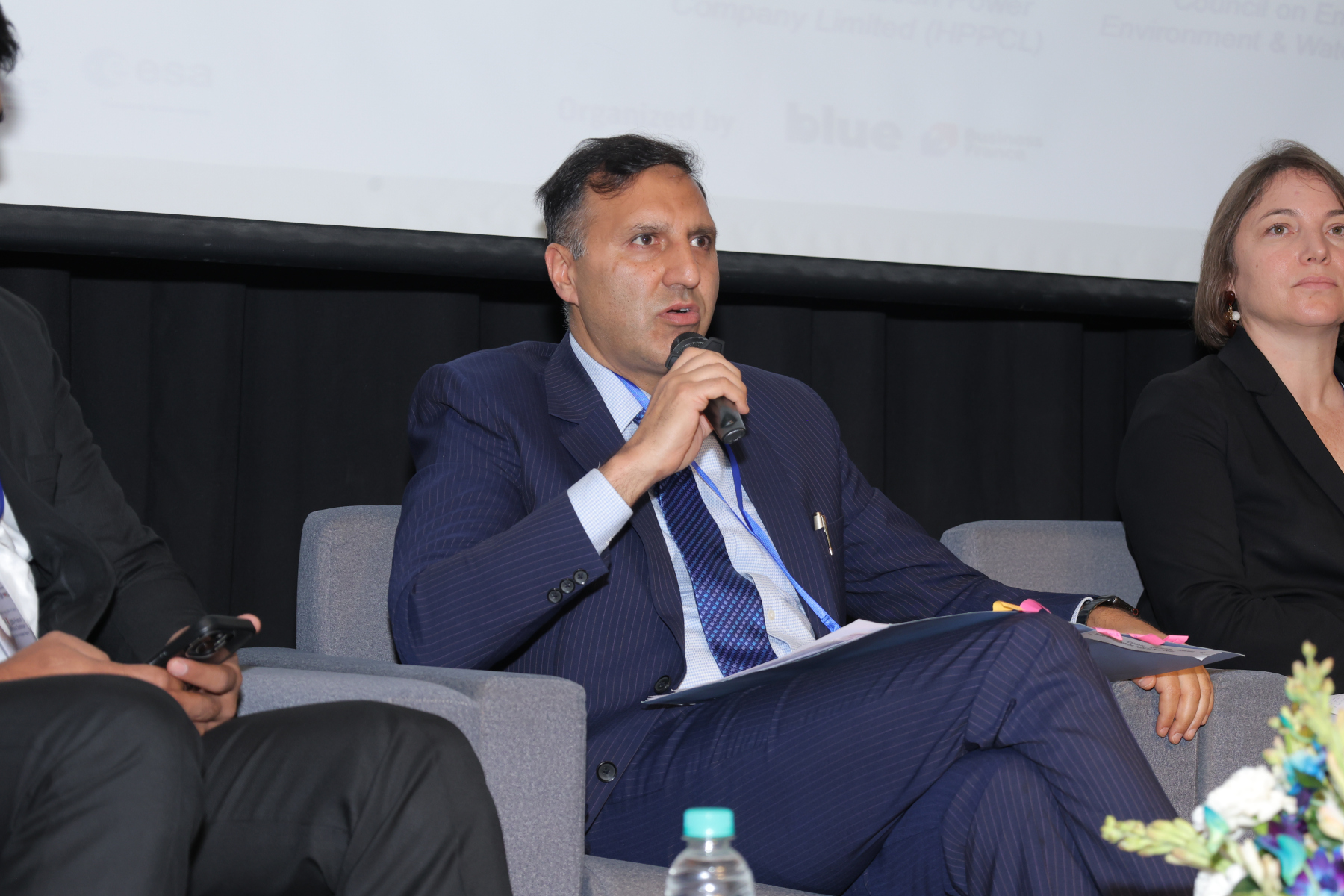
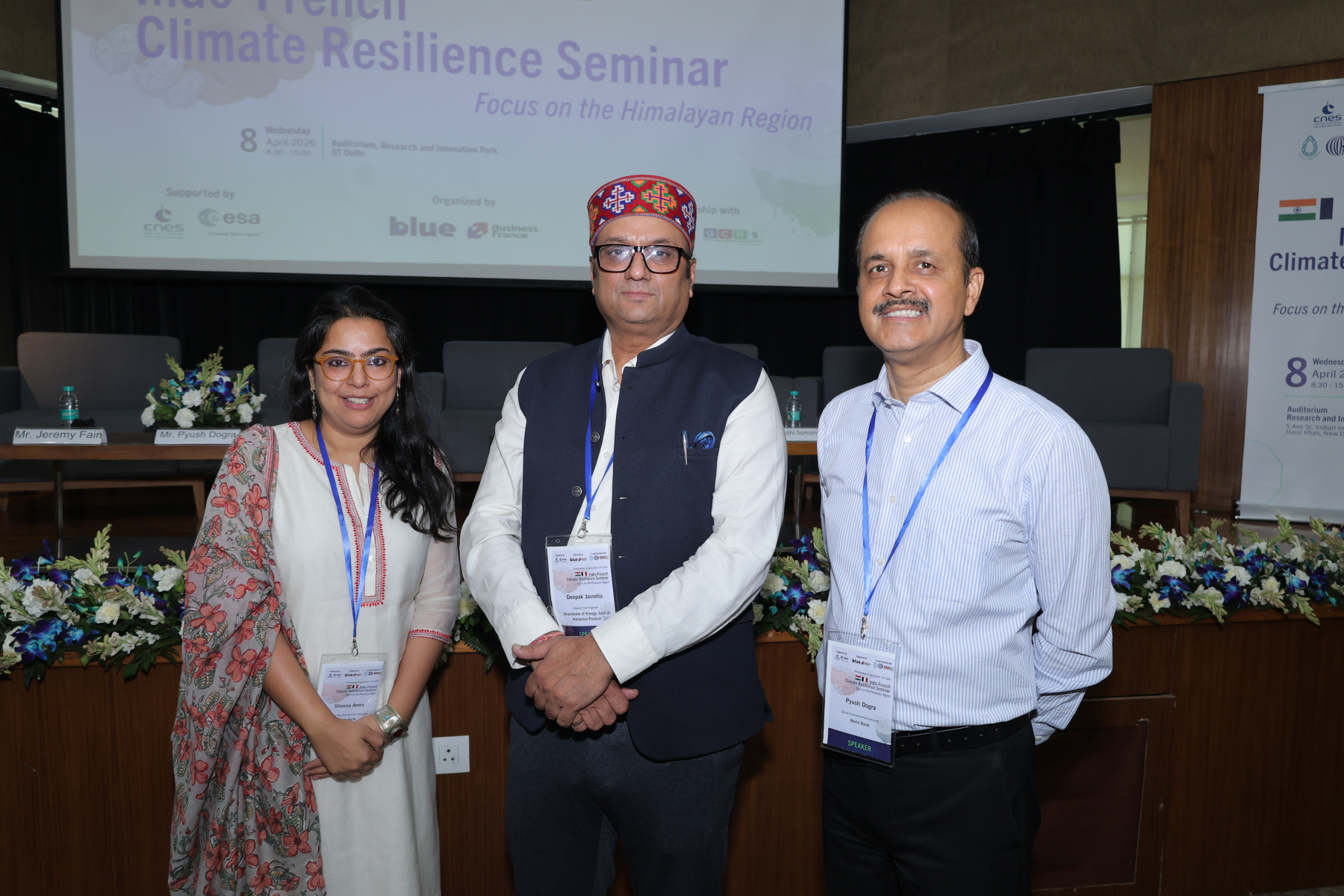
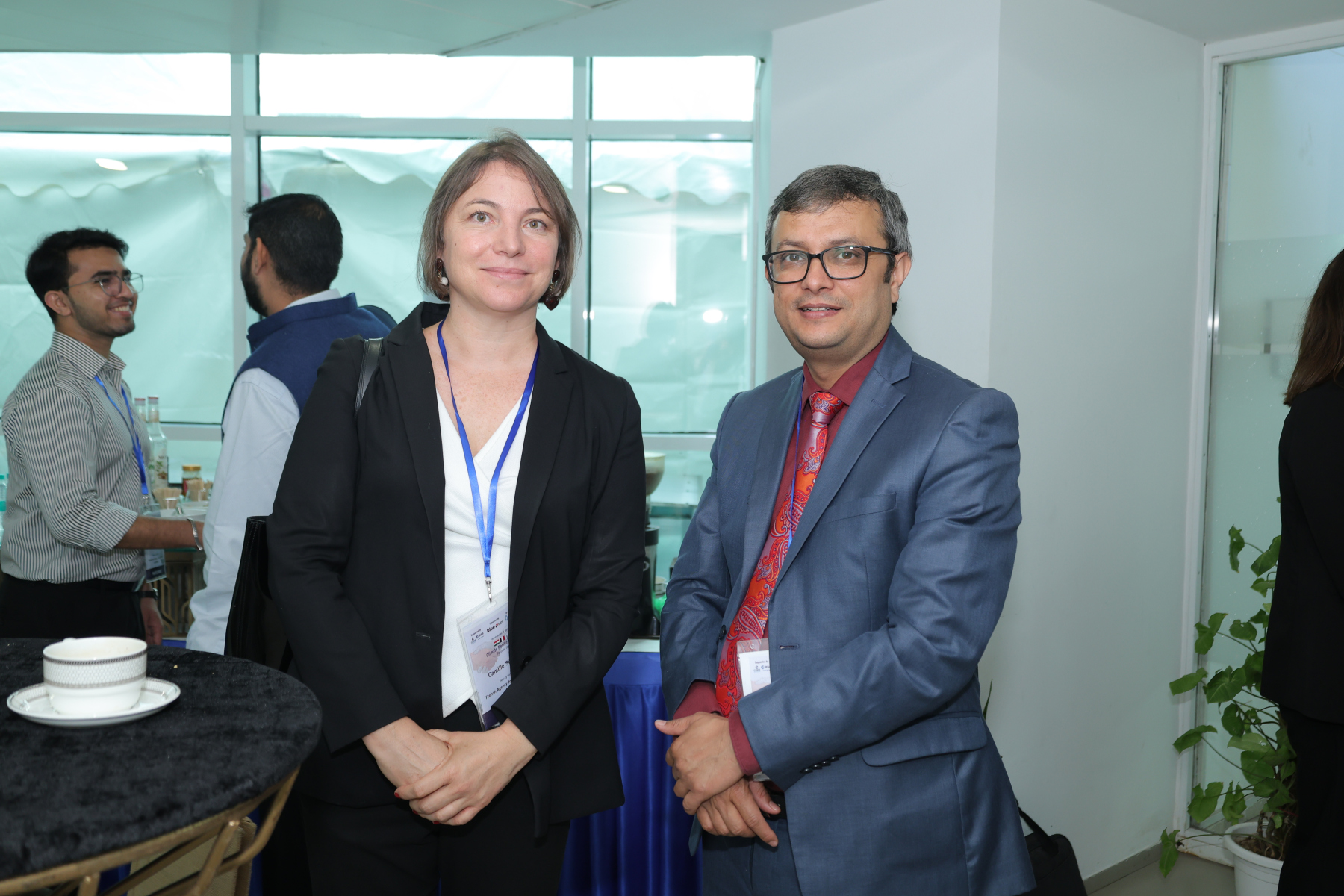
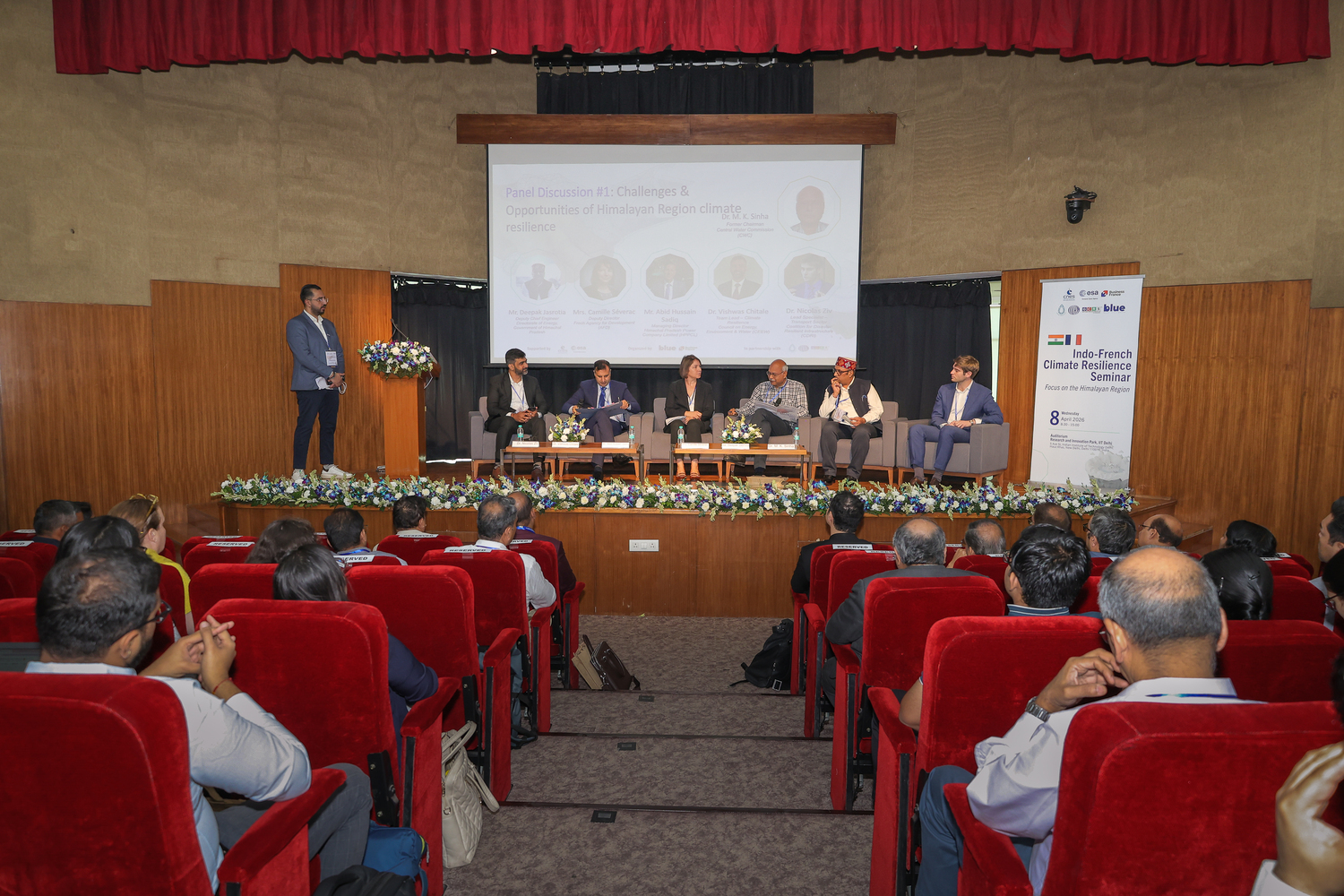
Panel 1, moderated by Dr. M. K. Sinha, former Chairman, Central Water Commission, included Camille Séverac, AFD; Dr. Vishwas Chitale, Council on Energy, Environment and Water; Deepak Jasrotia, Government of Himachal Pradesh; Dr. Nicolas Ziv, Coalition for Disaster Resilient Infrastructure; Abid Hussain Sadiq, Himachal Pradesh Power Corporation Limited. The session explored the structural vulnerabilities of the region and the importance of integrating climate adaptation into infrastructure planning, ecosystem management, connectivity and governance. A central theme was that resilience in the Himalayas requires coordinated action across engineering, policy and environmental systems.
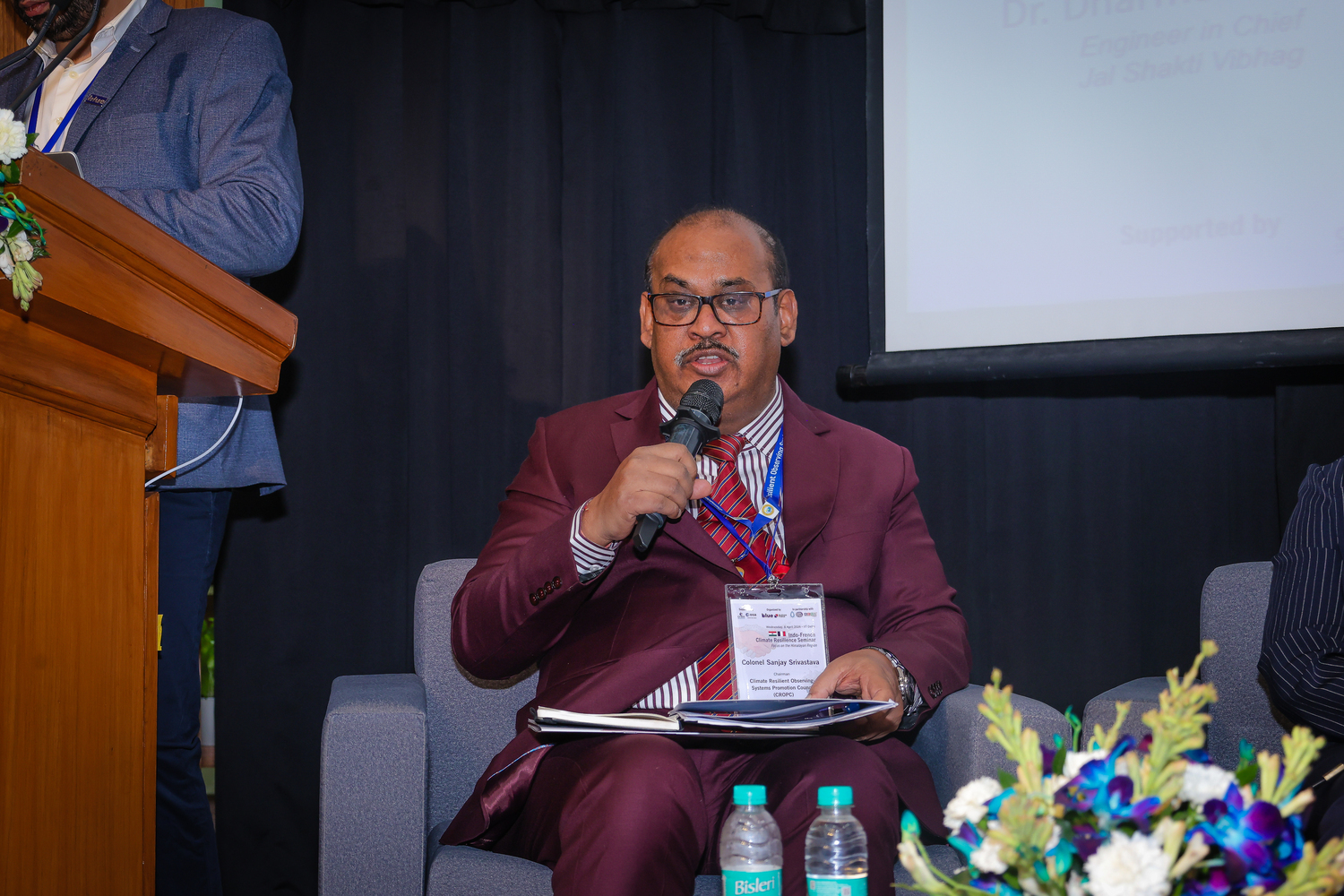
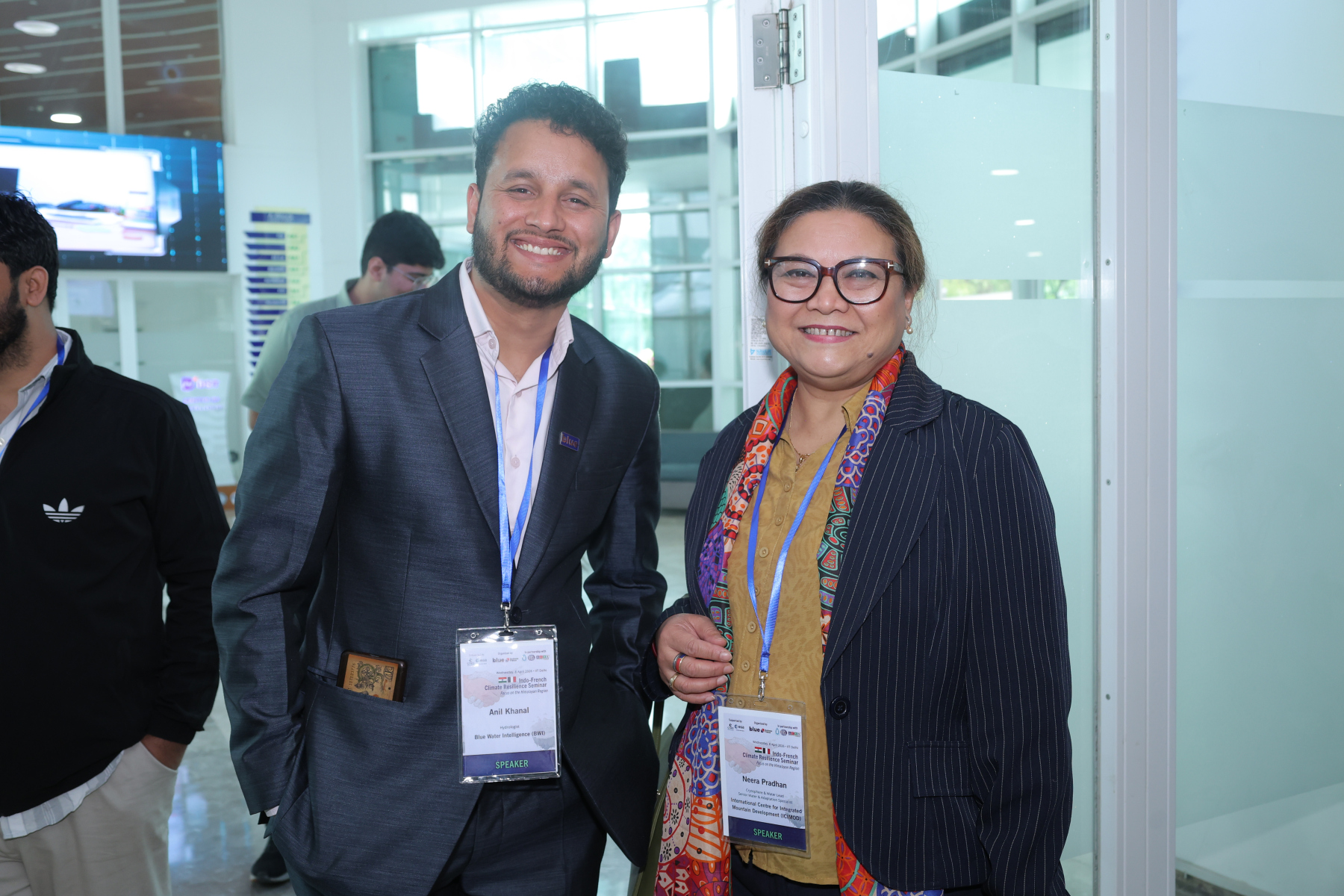
Panel 2, moderated by Prof. A. K. Gosain, INRM Consultants, brought together Prof. Indu J, IIT Bombay; Sheena Arora, World Bank; Dr. Neera Pradhan, International Centre for Integrated Mountain Development; Colonel Sanjay Srivastava, Climate Resilient Observing-Systems Promotion Council; and Dr. Dharmendra Gill, Jal Shakti Vibhag. The session focused on flood early warning and the densification of observation networks, highlighting the need for higher-resolution monitoring, better integration of satellite and ground-based data and more effective decision pathways that convert technical alerts into operational response.
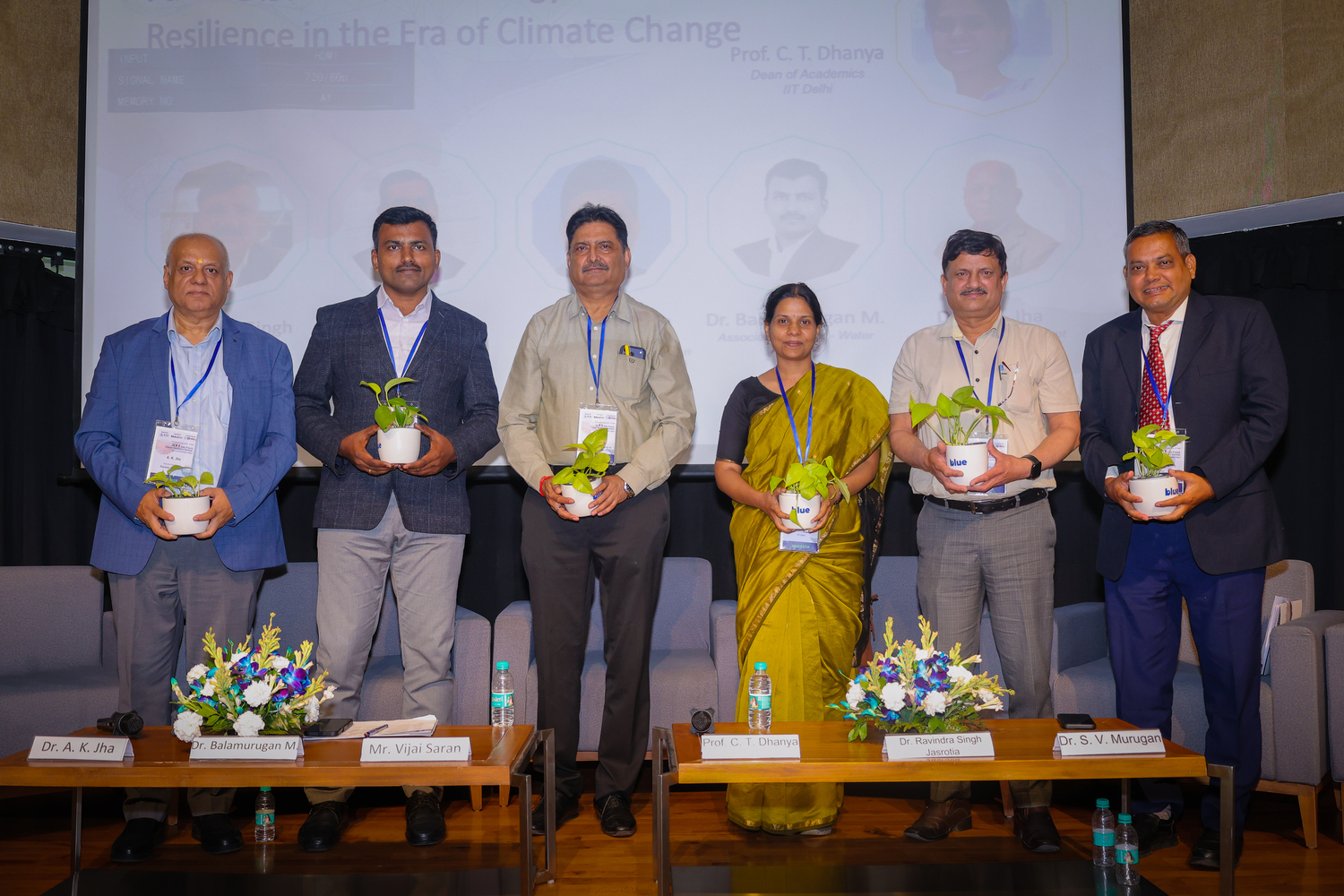
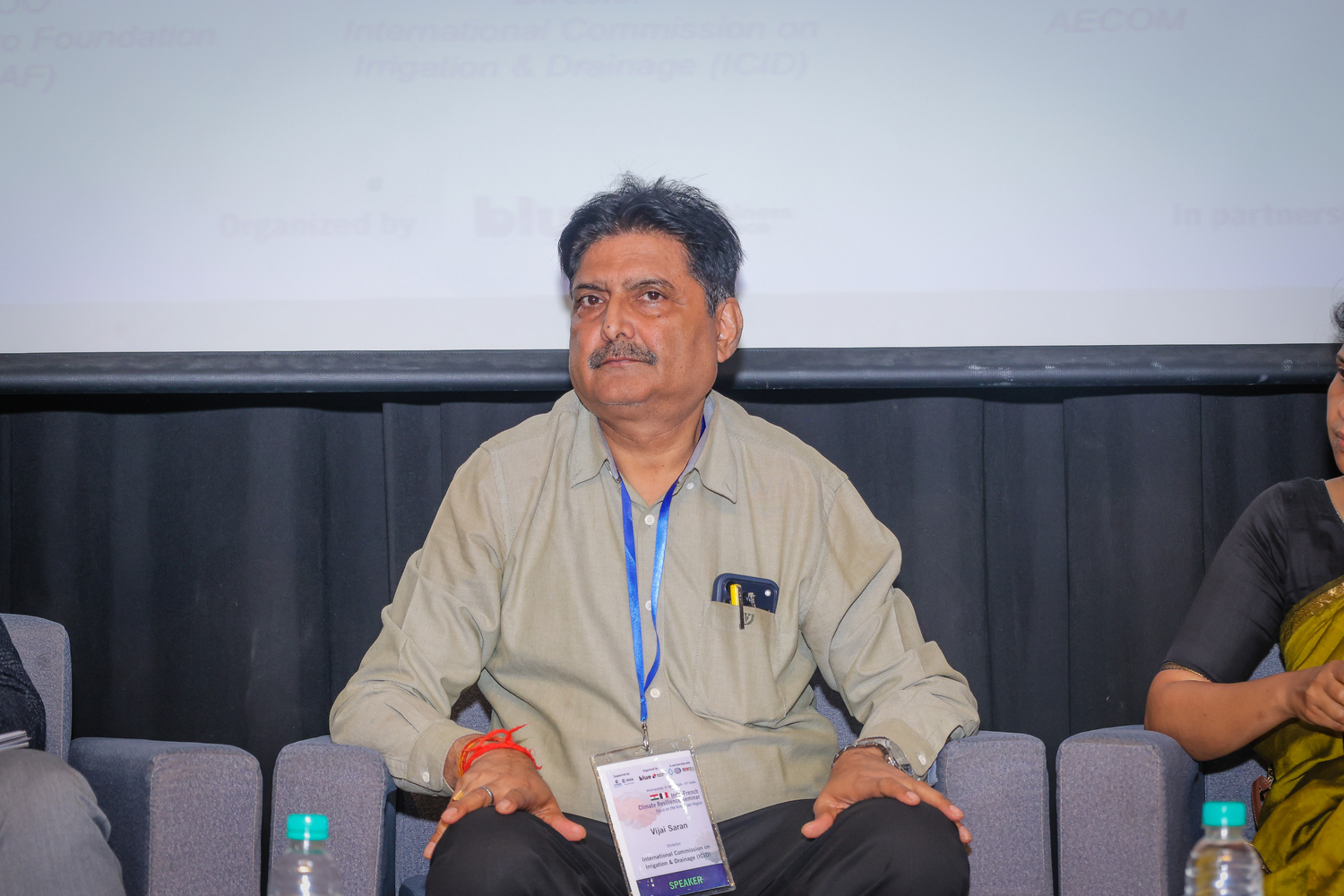
Panel 3, moderated by Prof. C. T. Dhanya, IIT Delhi, included Vijai Saran, International Commission on Irrigation & Drainage; Dr. A. K. Jha, Tractebel; Dr. Balamurugan M., AECOM; Dr. S. V. Murugan, National Agro Foundation; and Dr. Ravinder Singh Jasrotia, Government of Himachal Pradesh. The discussion addressed the interconnected challenges facing water, energy and food systems under climate stress, underscoring the need for integrated planning, updated modelling approaches and adaptation strategies that are both technically robust and grounded in local realities.
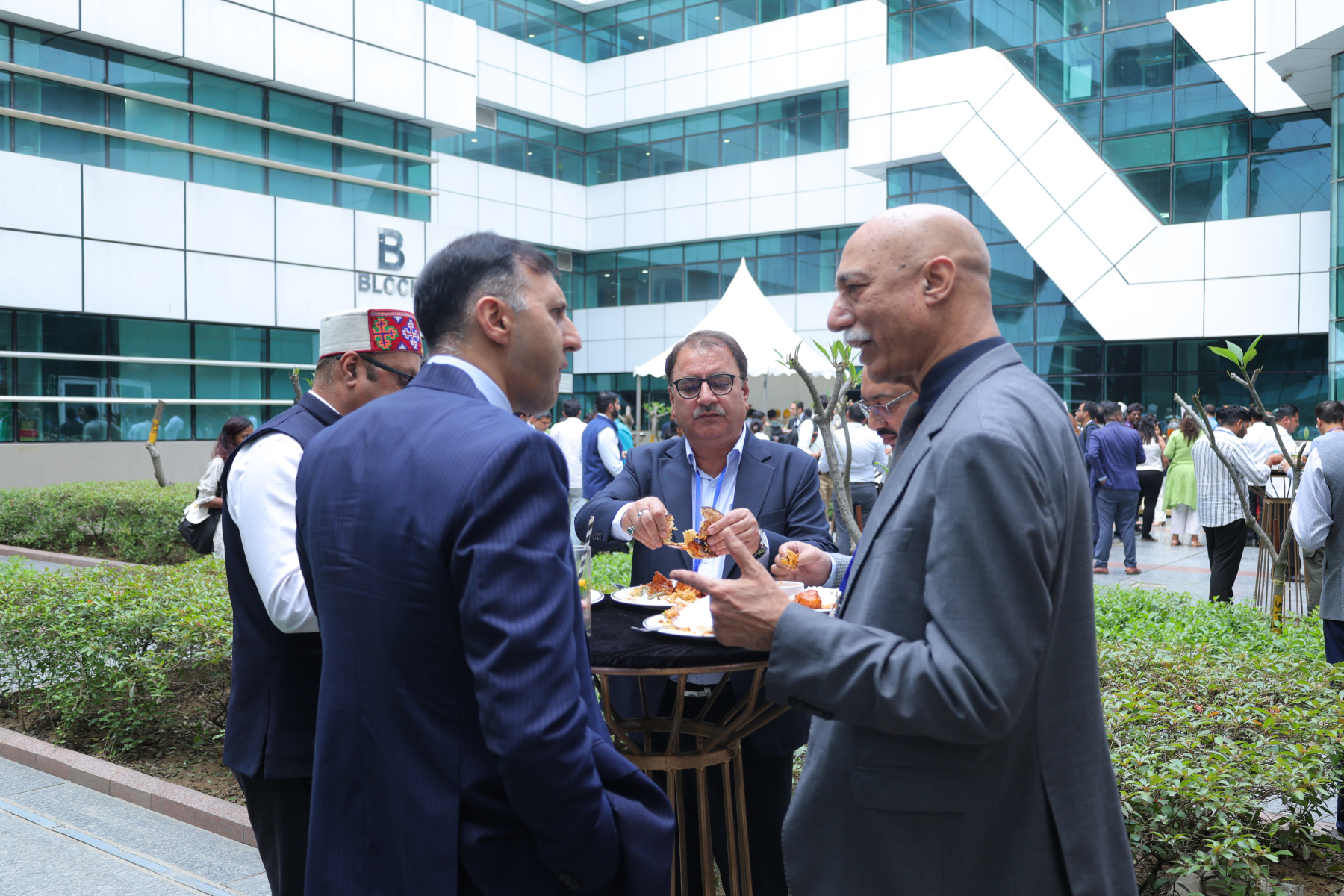
The closing session featured Adityaa Mondkar, Agua Preciosa; Shubhomoy Ray, InfraBlocks Capital; and Dr. Anil Khanal, BWI. The conversation emphasized the complementarity of satellite and in-situ sensing, the growing role of AI-based modelling and the importance of translating climate resilience into operational and investable frameworks. It also reinforced the strategic value of Indo-French collaboration, combining French strengths in Earth observation, hydrological modelling and engineering with Indian experience in regional implementation and scale.
Overall, the seminar highlighted the need to strengthen data infrastructure, foster integrated multi-sector approaches and ensure that innovation leads to practical impact on the ground. It also opened new perspectives for collaboration between science, industry and public institutions in building resilience across the Himalayan region.
Report compiled by Monika Dadhich, B.A. Geography student at Indraprastha College for Women, University of Delhi.